Safety & Transport
UN 38.3 Testing: What Shippers Must Verify Before Export
UN 38.3 testing verifies that lithium batteries can withstand specific stress conditions before export. Shippers must verify test reports, cell-level compliance, and
Practical lithium battery knowledge for spec selection and supplier vetting
Lithium battery buyers face complex decisions on chemistry, pack architecture, and supplier capability. This site covers the technical and commercial factors that drive those choices. It focuses on the specs, documents, and checks that matter when selecting a cell or pack for a real product.
The content is organized around the main stages of procurement. Sections cover cell types, battery management systems, safety and transport rules, standards, cycle life testing, cost structures, and supplier evaluation. The goal is to give engineers and buyers a clear reference for comparing options and verifying claims.
Start with the stage of the sourcing process you are in.
Compare lithium-ion and lithium-metal cell types to match energy density, thermal behavior, and cost for your application.
Understand pack design, balancing, thermal management, and battery management systems for safe and efficient integration.
Review safety standards, hazard classification, and transport rules to reduce risk and ensure compliance for shipping and handling.
Identify key certifications and testing standards required for market access, product validation, and customer compliance.
Explore pricing factors, supply chain trends, and lead time considerations to plan procurement and budgeting effectively.
Use practical criteria to evaluate suppliers, assess quality systems, and select partners that meet your technical and commercial needs.
UN 38.3 testing verifies that lithium batteries can withstand specific stress conditions before export. Shippers must verify test reports, cell-level compliance, and

High battery costs usually stem from specification mismatches, long procurement lead times, and poor inventory planning. This guide lists common symptoms and supply
A battery supplier audit is a structured review of a manufacturer's processes, quality systems, and documentation. It checks cell production, BMS integration, safety
Battery pack design determines system safety and field performance. This guide defines the structural, thermal, and control parameters that procurement managers must

To achieve UL 2580 certification, manufacturers must conduct specific safety tests on cells and provide detailed technical documentation. This process validates that the
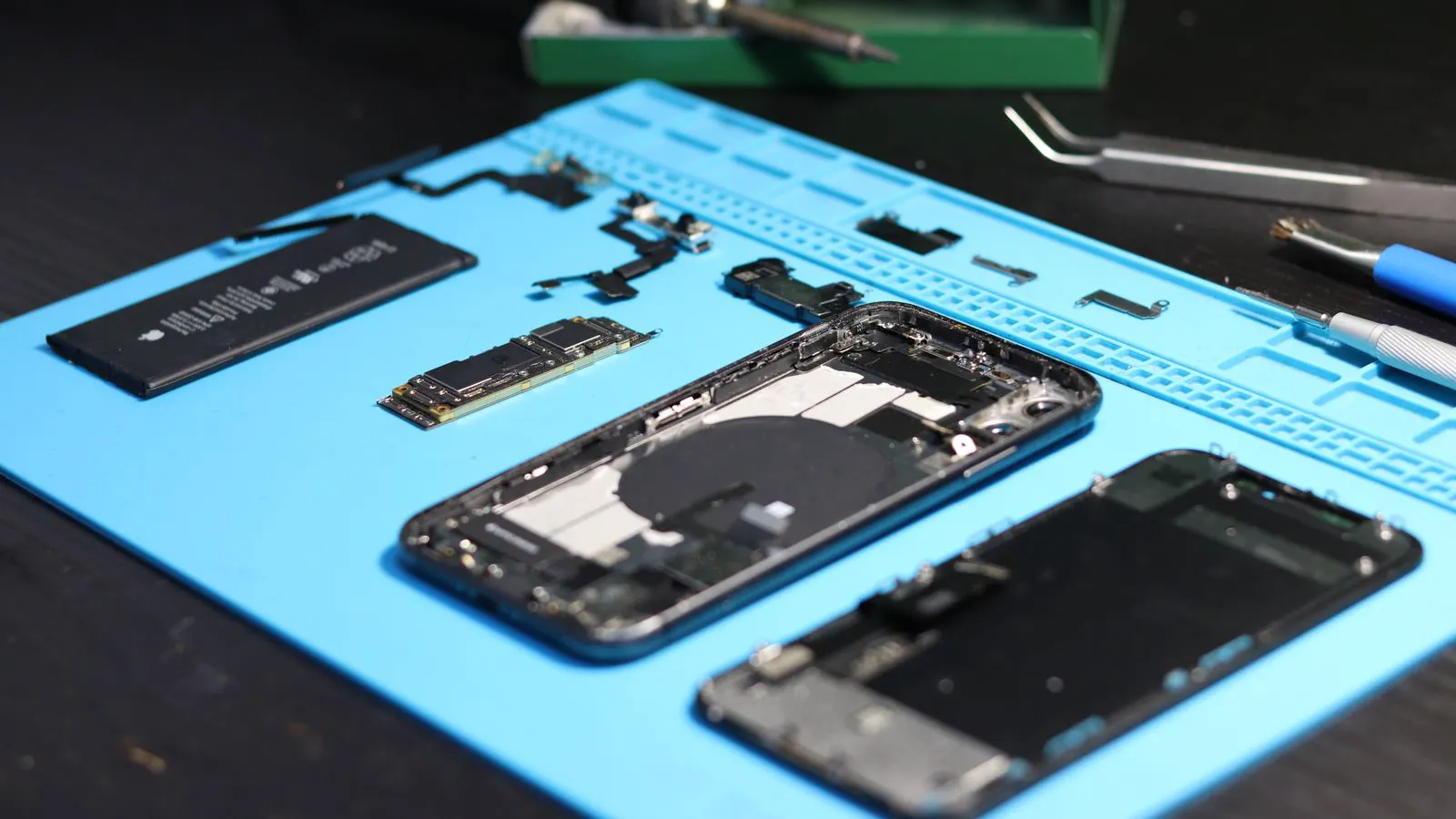
NMC cells deliver higher nominal voltage than LFP cells, which changes pack sizing and BMS requirements. Matching chemistry to voltage needs means balancing energy
Li-ion cells offer higher energy density, while LFP cells provide better thermal stability and longer cycle life. The choice depends on the application requirements.
Request documentation on current, voltage, and temperature monitoring. Ask about firmware update procedures and failure modes. Check if the BMS meets the required safety standards for your market.
Thermal runaway is the primary risk. Proper packaging, segregation, and compliance with transport regulations are required. Unprotected or damaged cells must not be shipped.
Cells are charged and discharged repeatedly under controlled conditions. The test measures capacity retention and internal resistance over time. Results vary with temperature and depth of discharge.
Standards vary by region and application. Common references include IEC, UL, and UN regulations. Specific standards depend on the battery type and intended use.
Ask for typical production and delivery times. Check if the supplier has buffer stock or flexible capacity. Review past on-time delivery records and ask about penalty clauses for delays.