To assess an EV battery supplier, verify quality certifications, audit production controls, and test sample cells. You must also review financial health and supply chain depth. This guide provides a practical framework for vendor selection.
- Verify that the supplier holds IATF 16949 or equivalent automotive quality standards.
- Conduct on-site or third-party audits to inspect process controls and documentation.
- Test sample cells in your specific thermal and mechanical conditions before bulk orders.
- Confirm the supplier can meet your required minimum order quantities and lead times.
- Review financial statements and backup supplier plans to mitigate delivery risk.
Selecting a reliable partner for electric vehicle powertrain components is a high-stakes decision. A single defective cell can halt a production line or trigger a recall. Buyers need a structured approach to vetting candidates. This guide outlines the practical steps for evaluating an EV battery supplier. It covers technical verification, quality systems, and commercial stability.
What Certifications Should You Require?
Automotive supply chains rely on standardized quality management systems. The baseline expectation is IATF 16949. This standard covers automotive-specific quality management. It goes beyond general ISO 9001 by addressing design controls, supplier management, and defect prevention.
Check the certificate scope. A valid certificate covers specific locations and product categories. Ensure the supplier’s certificate includes the exact manufacturing site you are sourcing from. If they outsource any critical processes, verify those subcontractors hold the same certification.
ISO 14001 and ISO 45001 are also relevant. These address environmental management and occupational health. They signal that the supplier manages operational risks systematically. For buyers targeting strict regulatory markets, these documents help during compliance reviews.
How Do You Audit Production Controls?
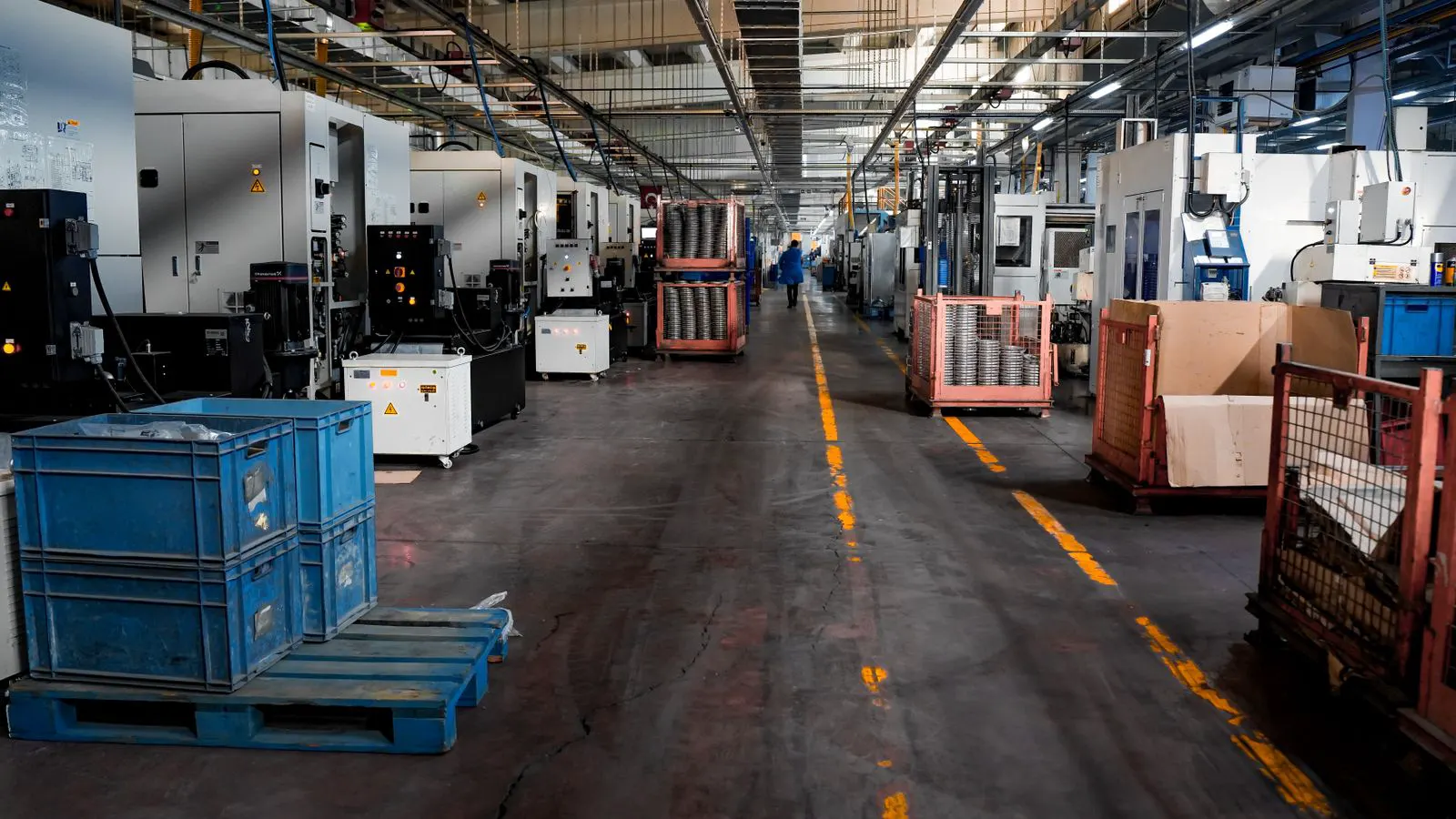
You cannot rely on a brochure. You must see the process. A supplier audit should cover the entire cell to pack level. Inspect the formation and capacity testing stages. These processes define the energy content and safety margins of the cell.
Look at the data logging. Modern lines record voltage, temperature, and current for every cell. Ask for a sample of this raw data. You want to see how the line handles outliers. Does the system automatically reject cells that deviate from the specification?
Check the handling of defective cells. They should be segregated and tracked. A supplier that discards failures without a root cause log is a red flag. You need to see how they manage non-conformance. Ask for the last three months of customer complaints and their corrective actions.
What Sample Testing Must You Run?
Specifying a cell is easy. Verifying it in your application is hard. Request a sample lot before committing to volume. Run your own qualification tests.
- Cycle life at your target depth of discharge.
- High and low temperature performance.
- Mechanical abuse such as nail penetration or drop tests.
- Electrical performance under high current discharge.
Compare your results to the supplier’s datasheet. A large gap suggests the supplier is testing under ideal conditions that do not match your use case. If your vehicle operates in extreme climates, test those specific conditions. The datasheet may only show nominal results.
How Do Lead Times and MOQs Affect Your Plan?
Commercial terms shape your inventory strategy. A supplier with a long lead time forces you to hold more safety stock. This ties up capital and warehouse space. A supplier with a short lead time offers flexibility but may charge a premium.
Define your minimum order quantity carefully. Small batches allow you to test the supplier with lower risk. Large batches lock you in. If you are new to a supplier, start with a small pilot order. This lets you validate the full process, from shipping to receiving.
Ask about their production capacity. If they are at 95 percent capacity, any new order may push your delivery date out. If they are at 50 percent, they have room to absorb delays. Check their current backlog. A supplier with a healthy backlog has proven demand, but you must ensure they prioritize your account.
What Financial and Supply Chain Checks Are Necessary?
A supplier can have great quality and still fail you. Financial instability can lead to production shutdowns. Review their balance sheet. Look at debt levels and cash flow. A supplier with high use may cut corners to save money.
Examine their raw material supply. Lithium, nickel, and cobalt come from global markets. Ask about their sourcing strategy. Do they have long-term contracts with miners? Do they have alternative sources? A supplier relying on a single source for a critical material is a single point of failure.
Check their logistics plan. How do they handle shipping? Do they have bonded warehouses? If a container is delayed at a port, can they reroute? You need a supplier who can communicate delays early. Silence is worse than a delay. You need to know what is happening in real time.
How Do You Evaluate Customer Service and Technical Support?
The supplier relationship continues after the order is placed. You need a contact who understands your application. Ask for a dedicated technical contact. They should answer questions about cell degradation and thermal management.
Test their response time. Send a technical query and measure the reply. A slow response indicates poor internal communication. During a production issue, speed matters. You need a supplier who can escalate problems quickly.
Review their documentation. Are the datasheets clear? Do they provide regular status updates? Good communication prevents disputes. It also builds trust. A supplier that over-communicates is easier to work with than one that goes quiet.
Key Criteria Table
Use this table to score each candidate. Assign a score of 1 to 5 for each category. A higher total indicates a stronger candidate.
| Criterion | What to look for | Why it matters |
|---|---|---|
| Quality Certification | IATF 16949 certificate covering your specific site | Ensures consistent process control and defect prevention |
| Audit Findings | Low number of open non-conformances | Shows the supplier corrects issues quickly |
| Sample Performance | Cycle life and safety match your specs | Prevents field failures and recalls |
| Lead Time | Ability to meet your target delivery window | Reduces inventory costs and production delays |
| Financial Health | Stable cash flow and low debt | Lowers the risk of supplier bankruptcy |
| Technical Support | Responsive and knowledgeable contact | Speeds up problem resolution and design support |
Final Decision Checklist
Before signing a contract, run through this final check.
- Does the supplier hold the required automotive quality certification?
- Have you reviewed the last three years of quality data?
- Have your sample cells passed your specific qualification tests?
- Can the supplier meet your required lead time and MOQ?
- Have you reviewed their financial statements and supply chain depth?
- Do you have a clear communication plan for technical issues?
If any answer is no, pause. Fix the gap before moving forward. A reliable supplier is not just a vendor. It is a partner in your product success. Take the time to verify. The cost of a bad supplier far exceeds the cost of a thorough vetting process.
Frequently asked questions
Do I need to visit the supplier's factory?
For high-volume EV projects, yes. An on-site visit lets you see the actual production line. If travel is not possible, use a third-party auditor.
How much sample data should I request?
Request the last three months of production data. This includes pass rates, defect trends, and customer complaints. Look for patterns, not just averages.
What if the supplier does not have IATF 16949?
You can proceed if they hold ISO 9001 and you have a strong internal audit process. However, most EV OEMs require IATF 16949. Check your customer requirements first.
How do I handle a supplier delay?
Agree on a penalty structure in the contract. Also, require regular status updates. If a delay is confirmed, ask for a recovery plan with specific dates.
Should I buy from multiple suppliers?
Yes, if possible. Sourcing from two or three qualified suppliers reduces risk. It gives you use in negotiations and protects you from single points of failure.