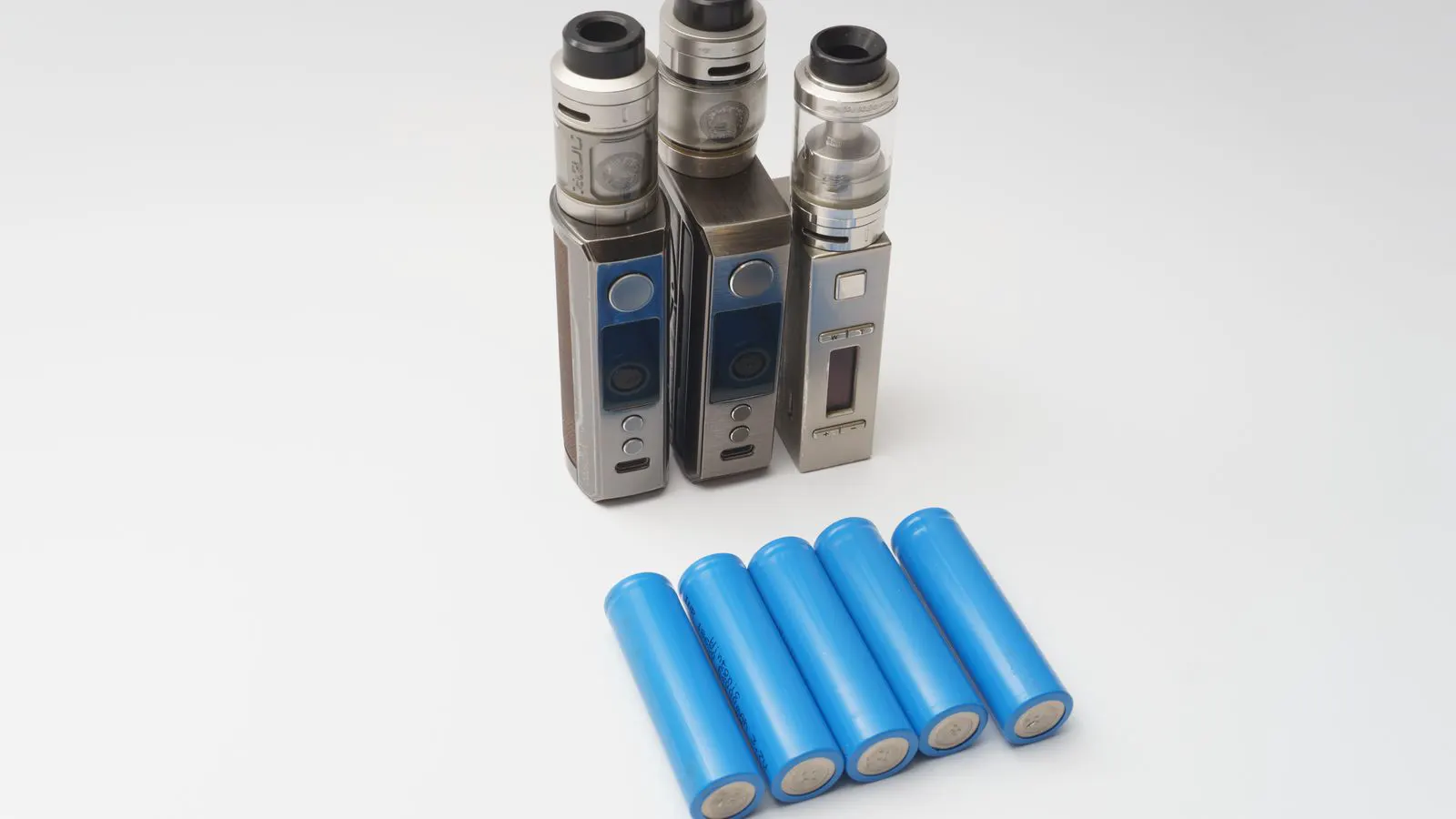
Buying lithium cells and finished packs differ in budget and delivery. Cells require more engineering but offer lower unit costs. Packs are faster to deploy but carry a higher premium. The right choice depends on your project scale and technical capability.
- Buying cells reduces material cost but adds significant engineering and integration labor.
- Finished packs deliver a higher unit price but shorten time to market significantly.
- Procurement lead time depends on whether you source raw cells or assembled units.
- Volume and specification complexity heavily influence both cost and delivery schedules.
- The decision hinges on your internal capabilities and project urgency.
What Drives the Cost Difference Between Cells and Packs?
The gap between buying cells and buying finished packs is not a simple markup. It reflects the labor, testing, and expertise embedded in the final product. When you purchase a single lithium cell, you receive a standard component with a known capacity and chemistry. When you purchase a finished pack, you receive a system. That system includes structural enclosures, protection boards, balancing circuits, connectors, and thermal management materials.
The cost of a cell is primarily driven by raw materials. These include the cathode, anode, electrolyte, and separator. Manufacturing processes for these materials are highly standardized. As a result, cell prices follow broad market trends tied to material availability and production scale.
Pack pricing adds a layer of value. The battery management system, or BMS, is a major cost driver. A BMS monitors voltage, current, and temperature across all cells in the pack. It prevents overcharging and deep discharge. It also handles cell balancing to keep the pack operating within safe limits. The complexity of the BMS increases with the number of cells and the required communication interfaces.
Another cost factor is the enclosure. A finished pack must withstand mechanical stress, moisture, and heat. The material choice, whether aluminum, steel, or reinforced plastic, affects both weight and cost. Sealing processes add time to the production line. Quality control is also more intensive for packs. Each unit must pass functional tests before it leaves the factory.
How Do Procurement Lead Times Compare?
Lead time is the period between placing an order and receiving the product. For cells, this period is typically shorter than for finished packs. Cell manufacturers operate at massive scale. They often maintain inventory of standard chemistries and formats. If you order a common cylindrical or prismatic cell, you may receive delivery within a few weeks, depending on the supplier and logistics.
Finished packs have longer lead times. The assembly process is more complex. A pack manufacturer must coordinate multiple subassemblies. They must install the BMS, connect the cells, test the thermal performance, and pack the unit. Each step adds time. If the pack uses a custom design, the lead time extends further. Custom enclosures require tooling. Custom BMS firmware requires development and validation.
There are also supply chain dependencies. A pack manufacturer may wait for specific cell batches to arrive. They may also need specific connectors or thermal pads. If any component is delayed, the final assembly waits. This creates a buffer period that is rarely present in cell procurement.
For importers, customs clearance adds another layer of time. Cells are often classified under different customs codes than finished packs. This can affect duties and documentation requirements. You must factor this into your timeline. A quick delivery from a cell supplier does not mean a quick delivery to your factory floor if you still need to build the pack yourself.
Cost Breakdown: Cells vs Packs
To understand the financial impact, look at the line items. A cell purchase includes the cell itself, shipping, and customs duties. There is no labor cost for assembly because you are not assembling it. However, you must account for the cost of your internal team. You need engineers to design the pack. You need technicians to build it. You need testers to verify it.
A pack purchase includes all of the above, but the supplier handles the labor. The price you pay covers the cells, the BMS, the enclosure, the labor, and the testing. The markup is not arbitrary. It reflects the risk the supplier takes in quality control and the time spent on engineering.
The following table compares the key financial and timing factors for both options.
| Option | Best for | Limitations |
|---|---|---|
| Lithium Cells | High-volume projects with strong internal engineering teams | Requires significant capital for tooling, testing, and labor |
| Finished Packs | Low-volume prototypes or tight deadlines | Higher unit cost and less flexibility in design |
| Custom Packs | Specific thermal or mechanical requirements | Longer lead times and higher minimum order quantities |
| Standard Packs | General-purpose applications | Limited customization and potential cost premium |
The choice between these options depends on your specific needs. If you have a large team and a high volume of units, cells may be the more economical path. If you need to launch a product quickly, a finished pack is often the better choice.
When Should You Buy Cells?
Buying cells makes sense when you have the technical capability to integrate them. You need a team that understands battery safety. You need a facility that can handle flammable electrolytes. You need testing equipment to verify the performance of your final pack.
The financial advantage of cells is most visible at scale. If you are producing thousands of units, the difference in per-unit cost can add up quickly. You can also optimize the design. You can choose a cell format that fits your enclosure perfectly. You can select a BMS that matches your communication requirements. This level of control can reduce long-term costs.
However, the initial investment is higher. You must purchase test fixtures. You must hire or train staff. You must develop your own quality control procedures. If your team is small, the cost of this setup may outweigh the savings from buying cells.
Another factor is supply risk. When you buy cells, you are exposed to the cell market. If a cell supplier faces a shortage, your production stops. You do not have the buffer of a pack supplier who may source from multiple cell makers. You must build relationships with multiple cell suppliers to mitigate this risk.
When Should You Buy Finished Packs?
Finished packs are ideal for projects where speed is a priority. If you are developing a prototype or a small batch for a specific customer, buying a pack saves time. You do not need to design the BMS. You do not need to test the thermal performance. You receive a unit that is ready to install.
The cost premium for finished packs is justified by the risk transfer. The supplier is responsible for the quality of the pack. If the pack fails, you have a point of contact for warranty and replacement. This reduces your liability. It also simplifies your accounting. You buy one item instead of managing multiple components.
Finished packs are also better for applications where safety is a top concern. A reputable pack manufacturer will have strict quality control protocols. They will test for insulation, short circuits, and thermal runaway. They will provide documentation that meets industry standards. This reduces the risk of field failures.
The limitation is customization. If your application requires a specific form factor or a unique communication protocol, a standard pack may not fit. You may need to negotiate a custom design. This increases the cost and extends the lead time. In these cases, the advantage of buying a finished pack diminishes.
How to Reduce Costs and Shorten Lead Times
Regardless of whether you buy cells or packs, you can manage cost and lead time. Start with your specification. A vague specification leads to delays. It leads to rework. It leads to higher costs. Define the voltage, capacity, cycle life, and temperature range clearly. Define the communication interface. Define the enclosure material.
Next, build a relationship with your supplier. Ask about their production capacity. Ask about their current order backlog. Ask about their quality control procedures. A transparent supplier will provide these details. They will also advise you on realistic lead times.
For cells, consider buying a small quantity first. Test the integration. Identify any issues. Then scale up. This reduces the risk of a large order failing. For packs, request a sample before placing a bulk order. Test the sample in your operating environment. Verify the performance.
You can also look at logistics. If you are importing, plan for customs clearance early. Prepare the documentation. Calculate the duties. Factor in the transit time. A delay at the border can wipe out any savings you made on the product itself.
Finally, monitor the market. Battery costs are influenced by raw material prices. They are influenced by demand. They are influenced by regulation. Keep an eye on these factors. They can change your cost structure. They can also change your lead time.
Final Considerations for Your Procurement Strategy
The decision between cells and packs is not a one-time choice. It is a strategic decision. It affects your engineering, your supply chain, and your customer experience. There is no single best answer. The best answer is the one that fits your project.
If you have the resources, buy cells. If you need speed, buy packs. If you are in between, consider a hybrid approach. Buy cells for your high-volume production line. Buy packs for your prototypes and small batches. This balance can optimize both cost and lead time.
Remember that the total cost of ownership includes more than the purchase price. It includes the labor. It includes the testing. It includes the risk. It includes the time. When you weigh these factors, the decision becomes clearer. You are not just buying a battery. You are buying a solution to a technical and logistical problem. Choose the option that solves that problem most effectively.
Frequently asked questions
What is the typical difference in cost between cells and finished packs?
Finished packs cost more due to the added value of the BMS, enclosure, and testing. The exact difference depends on the complexity of the pack and the volume of the order.
How long does it take to receive lithium cells versus finished packs?
Cells typically have shorter lead times because they are standardized and often in stock. Finished packs take longer because of the assembly and testing processes.
Can I customize a finished pack?
Yes, but customization usually increases the cost and extends the lead time. Standard packs are faster and cheaper but offer less flexibility.
What are the main risks of buying cells instead of packs?
The main risks are higher internal labor costs, greater supply chain risk, and the need for strict quality control to ensure safety.
How can I shorten the lead time for my battery procurement?
You can shorten lead times by placing orders early, building relationships with suppliers, and ensuring your specifications are clear and complete.