Thermal runaway occurs when a lithium battery fails and heats itself. This guide explains the physical triggers, such as cell damage or poor ventilation, and outlines mitigation strategies to lower fire risk in storage facilities.
- Thermal runaway starts with a cell-level failure that triggers a chain reaction.
- Physical damage, heat, and poor ventilation are the most common triggers in warehouses.
- Preventing fire risk requires monitoring, spacing, and clear emergency procedures.
- Treat every battery as a potential hazard until it is certified and managed.
- Documenting storage practices helps meet safety standards and reduces liability.
What is thermal runaway
Thermal runaway is a self-accelerating chemical reaction inside a lithium battery. A cell releases heat. That heat raises the temperature of neighboring components. The reaction speeds up until the cell exhausts its contents or ruptures.
The result is a fire that is difficult to extinguish. Unlike a wood or fabric fire, a lithium battery fire can re-ignite after being doused. The heat generated is intense. Smoke can contain toxic compounds.
In a storage facility, one cell failure can cascade. A single damaged cell in a rack can ignite the entire module. That is why prevention focuses on stopping the first spark or heat source.
How does a cell fail
A cell fails when its internal structure is compromised. The most common triggers are physical damage, overcharging, and internal short circuits.
Physical damage happens when a battery is dropped, crushed, or punctured. The separator, a thin plastic sheet that keeps the positive and negative plates apart, tears. The plates touch. A short circuit forms.
Internal short circuits can also develop over time. Impurities inside the cell migrate. These particles bridge the plates. The failure is slow. It may not show up until the battery is deep in its cycle life.
Overcharging is another major cause. If a battery accepts more energy than its design allows, the lithium ions migrate to the positive electrode. They form dendrites. These sharp structures can pierce the separator.
What triggers runaway in storage
Storage facilities introduce specific risks that differ from the factory floor. The environment must be controlled. Temperature, humidity, and airflow all matter.
Heat is the primary enemy. Batteries store chemical energy. If the ambient temperature rises, that energy becomes more active. A warehouse near a loading dock or sunlit window may see temperature spikes.
Poor ventilation traps heat. When a cell releases gas, that gas needs to escape. If the room is sealed, pressure builds. The gas can ignite if it reaches its flammable limit.
Mechanical stress is also a concern. Forklifts move pallets daily. A slight bump can crack a casing. The damage may be invisible from the outside. The battery continues to operate. The flaw grows.
How to reduce fire risk
Reducing fire risk requires a layered approach. No single measure is enough. You need detection, prevention, and response.
Keep batteries within their temperature range. Install sensors on the racks and in the room. Set alarms for high heat. Use ventilation systems to move air constantly.
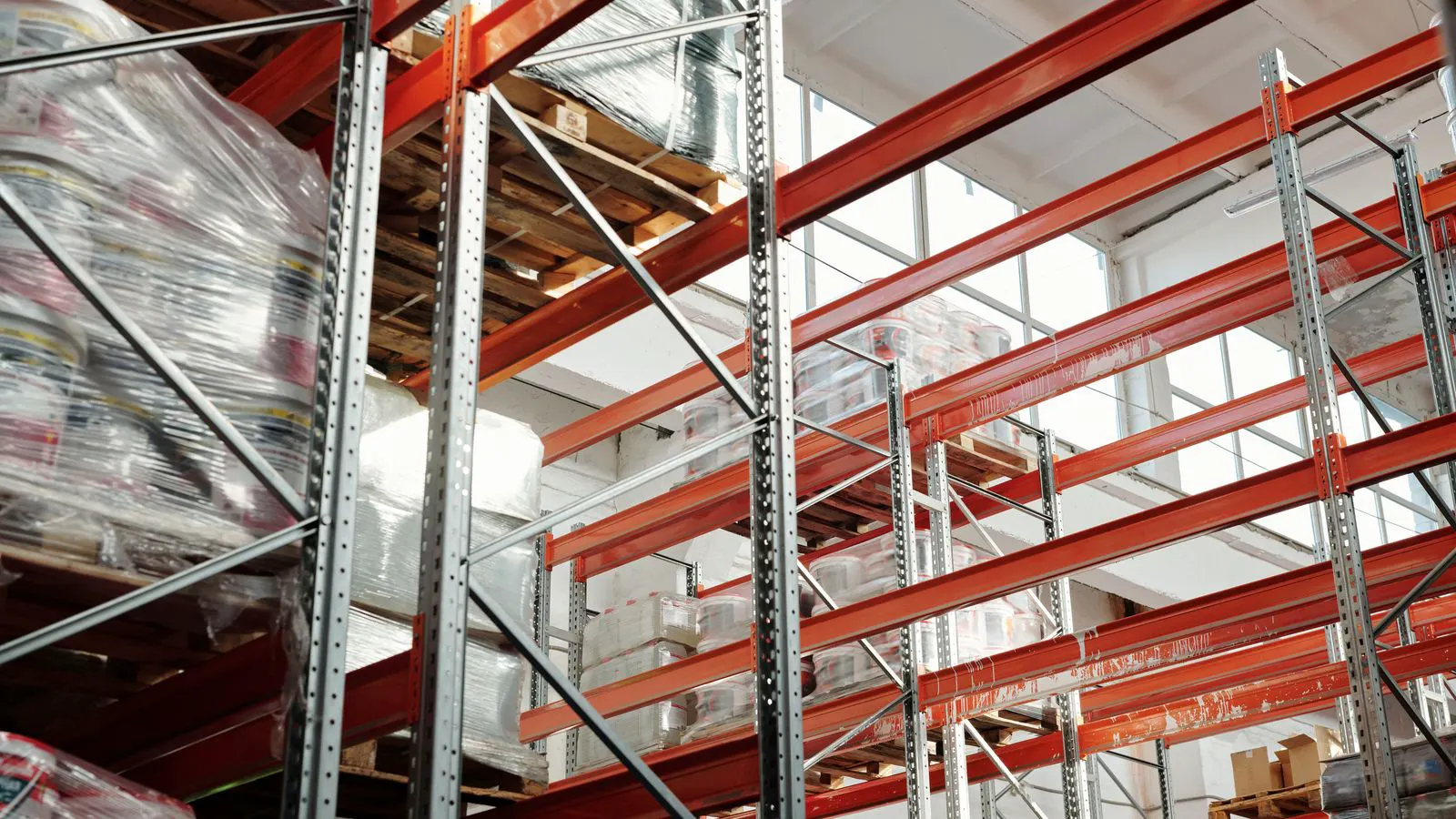
Maintain spacing. Leave gaps between racks. Do not stack batteries on top of each other. This allows heat to dissipate and gives fire suppression systems room to work.
Use quality fire suppression. Water mist systems are effective. They cool the area without causing short circuits. Avoid high-pressure water jets that can damage cells and spread debris.
What to check during a storage audit
A regular audit catches problems before they become emergencies. Walk the floor. Look for swelling, discoloration, or leaks.
Check the cables. Loose connections create resistance. Resistance creates heat. A hot connector can start a fire.
Review the charging protocol. Ensure the charger matches the battery chemistry. Verify that the system stops charging when the battery is full.
Document everything. Record the date of the audit. Note any anomalies. Keep a log of battery serial numbers and their location. This record is your first line of defense in an incident.
A worked example: a damaged pallet
Consider a pallet of lithium batteries in a warehouse. The pallet was moved by a forklift. The tines caught the corner of the pallet. The battery at the edge shifted. Its casing cracked.
The damage was small. The battery still held its charge. The operator did not see the crack. The pallet was placed on a rack.
A few days later, the temperature in the warehouse rose due to a heat wave. The damaged cell, already compromised, began to release heat. The heat spread to the separator. The separator failed.
The cell entered thermal runaway. The rack caught fire. The fire spread to the adjacent pallet. The smoke filled the room. The suppression system activated. It contained the fire, but the damage was significant.
The root cause was a physical impact that went unrecorded. The mitigation failed because there was no routine visual inspection of the pallets. The audit found the issue too late.
What to do when a fire occurs
If a fire starts, follow the site emergency plan. Evacuate the area first. Do not try to save the batteries.
Activate the suppression system if it is automated. If you must intervene, use the extinguisher specified for lithium battery fires. Do not use standard dry chemical powder if it can be avoided. Some powders react poorly with lithium.
Isolate the power. Cut the electrical supply to the rack. This stops the flow of current that could feed the fire.
After the fire is out, do not touch the batteries. They may still be hot. They may reignite. Wait for the fire department to declare the area safe.
How sourcing decisions affect safety
When you buy batteries, ask about their safety data. Look for the UN 38.3 test report. This test verifies the cell can survive transport stresses without incident.
Check the manufacturer’s temperature limits. If the facility runs hot, choose a battery with a wider operating range. Do not assume all batteries behave the same.
Review the warranty. A strong warranty often reflects confidence in the product’s reliability. It also provides a path for replacing defective units.
Ask about the cell chemistry. Different chemistries have different thermal profiles. One may be more stable than another in a hot environment.
How to manage a battery room
A battery room needs a dedicated safety plan. Post the emergency procedures on the wall. Train staff on how to recognize early signs of failure.
Use a fire detection system that responds to heat and smoke. A standard smoke detector may be too slow. A heat detector gives you more time.
Keep a log of battery replacements. Note the date and the reason. This helps identify if a batch is failing.
Review the plan annually. Update it after any incident or change in the facility.
Conclusion
Thermal runaway is a serious risk. It starts with a cell failure and ends with a fire. Prevention is the only reliable defense.
Use good storage practices. Keep the environment cool and ventilated. Inspect the batteries regularly. Train your team.
When you understand the triggers, you can control them. A safe storage facility is built on discipline, not luck.
Frequently asked questions
What is the first sign of thermal runaway?
The first sign is often a sudden rise in temperature. You may also notice smoke or a sharp chemical smell.
Can a lithium battery fire be put out with water?
Standard water may not be effective and can create a short circuit. Use a suppression system designed for lithium batteries, such as water mist.
How often should I inspect the batteries?
Inspect them at least once a week. Increase the frequency if the environment is hot or if the batteries are new.
What is the safest way to store damaged batteries?
Isolate them in a fireproof container away from other batteries. Do not recharge them. Follow the manufacturer's disposal instructions.
Do I need a fire suppression system for a small storage room?
Yes. Even a small room can have a fire that spreads quickly. Install a system that is rated for lithium battery fires.